Before the gold and platinum certifications, sold-out theaters, and a cultural resurgence that brought a new generation of true believers to their music through TikTok and arena tours, Sleeping With Sirens was a leap of faith grounded in intuition and a unique voice that’s impossible to mistake.
Kellin Quinn didn't enter the post-hardcore scene sounding like the typical frontman. His powerful, passionate, urgent, and unique voice cut through the noise around them, both literal and figurative. The band connected with those who felt similarly out of step; listeners seeking solace in songs that echoed their deepest insecurities, resentments, anxieties, tensions, and fears. SWS felt like medicine.
From the beginning, Sleeping With Sirens crafted their anthems as shelters from the world’s storms. Bold choruses served as lifelines. Breakdowns acted as balms, healing wounds of alienation and anger.
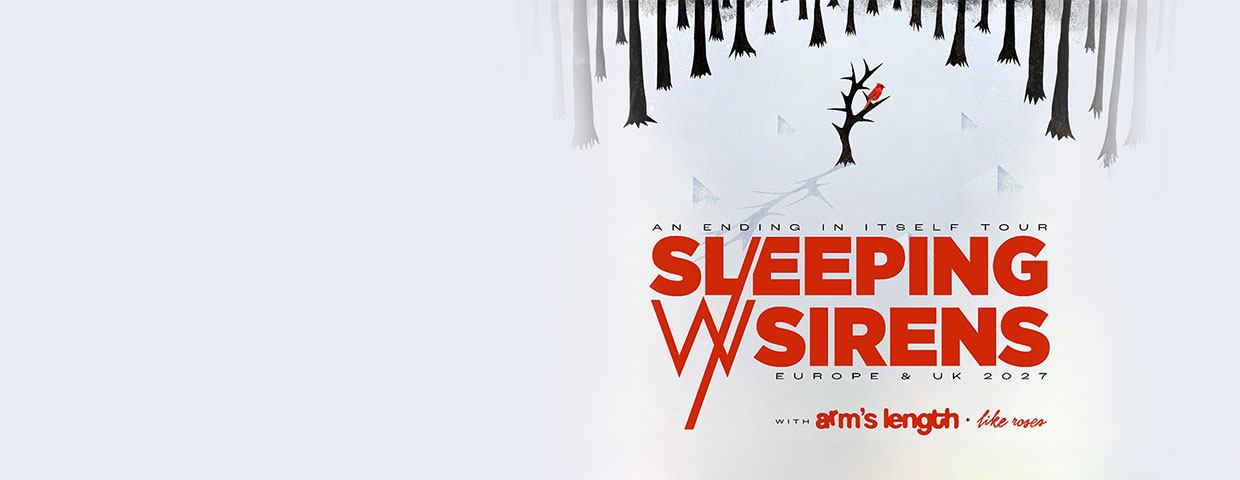
The thrillingly energized and stylistically diverse new album, An Ending in Itself, proves that the bond between the band and its passionate audience remains its defining strength. Produced by Will Yip (Turnstile, Circa Survive, Movements), the album represents both a homecoming and a reckoning.
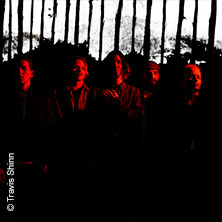
Bassist Justin Hills, guitarist Nick Martin, drummer Matty Best and Quinn are joined by guitarist Tony Pizzuti, a touring member since 2022 and now officially part of the line-up. Their eighth album carries the restless spirit of classic SWS with the nuanced experience of recent years.
It’s the band’s first with Rise Records since Feel, which debuted at No. 3 on the Billboard 200. Rise also released With Ears to See and Eyes to Hear (2010) and gold-certified Let’s Cheers to This (2011), which produced the platinum “If You Can’t Hang.”
Kellin describes An Ending in Itself as both a culmination and a continuation, completing the recent emotional and thematic arc of How It Feels to Be Lost and Complete Collapse while reconnecting with the spirit that first propelled the band forward. “It feels like a final chapter to the last couple of records,” he says. “But it also has a lot of our second record, Let’s Cheers to This, in it. That energy where we weren’t trying to fit in anywhere and we just made the record we wanted to make.”
In the 2010s, Warped Tour crowds swelled into massive cultural gatherings as print magazines like Alternative Press and Kerrang! championed a new wave of artists who blended punk urgency, melodic ambition, and unapologetic vulnerability. The band quickly became one of the movement’s most recognizable voices. Yet their cult success was never simply about belonging to any particular scene.
Even during the band’s earliest ascent, Sleeping With Sirens connected because their songs addressed real emotional terrain. They sang about fractured families, self-doubt, loneliness, and the aching desire to feel understood. Quinn’s lyrics often read like open letters to listeners navigating similar struggles.
Fans do not simply listen to Sleeping With Sirens. These songs live in their bones.
They have always approached songwriting more like a confession than a performance. “People come to our shows with real things going on in their lives. We’ve always been honest about our own issues, too,” Kellin says. That intimacy has allowed Sleeping With Sirens to grow alongside their audience.
At a time when many observers assumed the wave of 2010s post-hardcore and alternative bands had already crested, Sleeping With Sirens is more relevant than ever. Fresh generations have discovered them through streaming, social media, and the burgeoning vinyl resurgence. Anthems that once defined the Warped Tour for many summers suddenly appeared in millions of new feeds and playlists.
At the same time, longtime fans remained fiercely loyal. Consistent touring has revealed an audience that has grown, rather than faded. Packed rooms contained teens discovering the band alongside listeners who had spent more than a decade with their music.
For Quinn, that longevity brings both gratitude and responsibility. “We’re very lucky to still be here,” he says. “There are a lot of bands that could have fallen off—maybe ours at certain points. But we keep doing this because we want to make important music and continually level up. We believe that we always have more to give with each new album.”
An Ending in Itself unfolds as a meditation on hardship, resilience, and the search for meaning in uncertain times. Over the past several years, Quinn and his family navigated serious health challenges and deeply personal struggles, experiences that inevitably found their way into the songs.
“A lot of what this record is about is not giving up hope and finding faith in the middle of hardships.”
Those ideas anchor the album’s thematic center, starting with the title track, which opens the album. “Everyone tries to post their best life online, but the truth is, a lot of people are struggling. The idea behind the song is just saying it’s okay to admit you’re hurting.”
Elsewhere, the record explores different shades of that vulnerability.
“God in My Head” wrestles with questions of faith, searching for comfort in the belief that someone—or something—may be listening when life feels overwhelming. “Forever Always” draws from Quinn’s ongoing creative relationship with Matt Good of From First To Last, blending classic post-hardcore textures with the band’s melodic instincts. “House of Matches,” written with Point North’s Jon Lundin, expands the band’s sonic palette while remaining unmistakably Sleeping With Sirens.
Even the album’s fastest moments serve a purpose. “PTSD,” a brief burst of punk urgency, channels the chaotic energy of modern life into a two-minute jolt of adrenaline. The album closes with “Storm Clouds,” a reflective finale that mirrors the record’s opening while quietly suggesting endurance.
From beginning to end, An Ending in Itself reflects a band thinking deliberately about how albums function, not just as collections of songs, but as sonic journeys through overlapping ideas and feelings. Quinn lights up when discussing that bigger picture. He speaks about sequencing, artwork, and visual storytelling with the enthusiasm of someone who sees music as more than sound alone. “My favorite part of making a record is creating something out of nothing,” he says. “But my next favorite part is putting the whole vision together, imagining the artwork, the videos, the world around the songs.”
The world around them may have shifted. But the impulse that built Sleeping With Sirens remains the same. The five of them remain committed to collaboration and community. “I like being with people who are like-minded and contributing to each other,” Kellin says. “There’s magic in that.”
That magic has carried Sleeping With Sirens through more than a decade of shifting musical trends and a business that can be brutal and unforgiving. The band endures for the same reason it began.
Because this music matters.